Discover Electronics Recycling for Environmental Care
Sustainable Solutions: How E-Waste Recycling Services Are Saving Our Planet
Electronic waste presents serious dangers to the environment, as discarded electronics often contain toxic materials. These hazardous substances can contaminate soil and water, resulting in widespread environmental harm. Electronic waste recycling programs offer an effective remedy. They not only recover valuable resources but also mitigate pollution. Comprehending the operation of these services and their influence on communities is of great importance. The journey towards effective e-waste management raises critical questions about individual responsibility and collective action. What steps can be taken next?
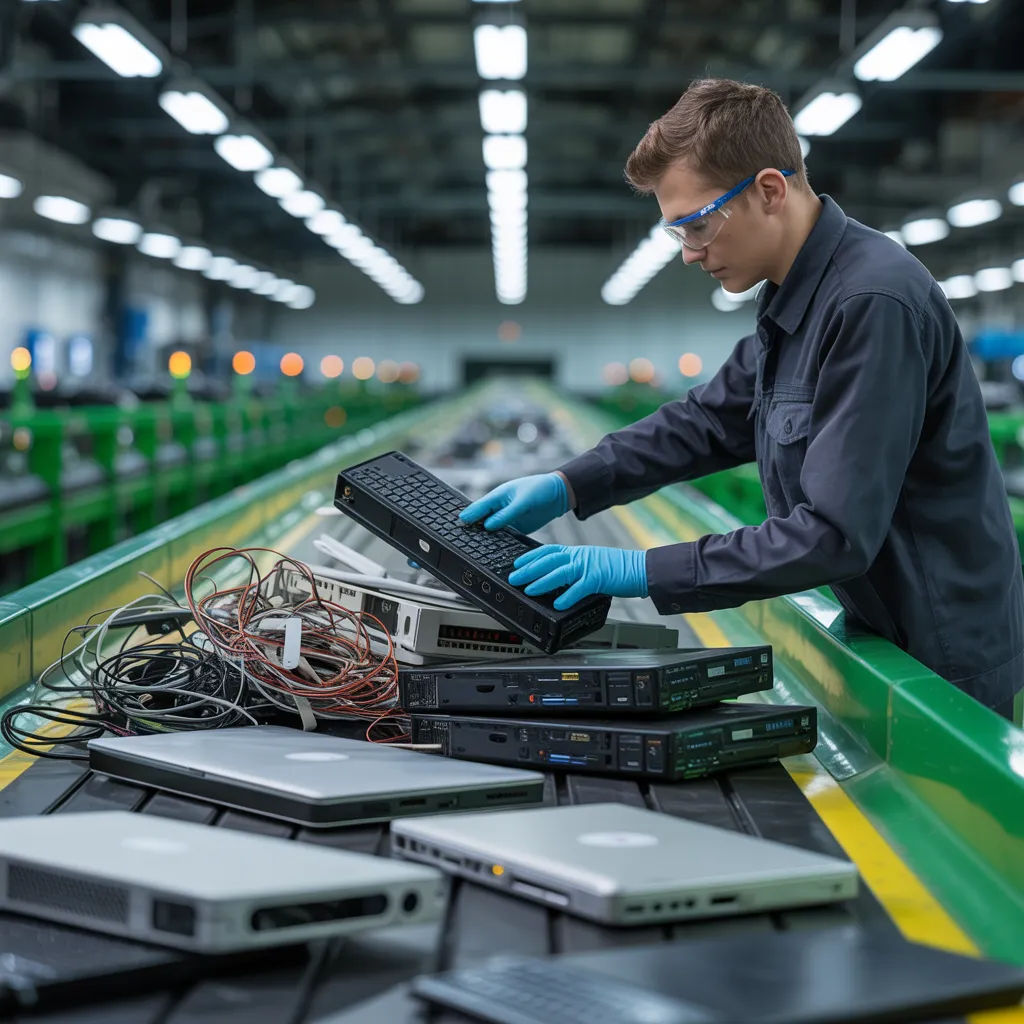
Why Electronic Waste Is Harmful to the Planet
While technology enhances our daily lives, e-waste creates serious threats to the environment. Discarded electronic devices, frequently composed of hazardous materials such as lead, mercury, and cadmium, can leach toxins into groundwater and soil, posing risks to ecosystems and human health. The rapid pace of technological advancement leads to increased consumer turnover of electronics, intensifying the growing problem of e-waste.
Landfills, already overwhelmed with refuse, find it difficult to handle the increasing amounts of discarded devices. Incineration, a common waste management technique, emits dangerous pollutants into the environment, degrading atmospheric conditions. Furthermore, inadequate recycling methods can result in the shipment of electronic waste to underdeveloped nations, where workers may break down equipment without proper protective measures, putting themselves at risk of exposure to hazardous materials. This ongoing cycle of carelessness and inadequate management emphasizes the pressing necessity for responsible recycling initiatives that can lessen the harmful consequences of e-waste on our world.
What Is E-Waste and Its Importance?
E-waste, also referred to as electronic waste, encompasses discarded electronic devices such as televisions, computers, and smartphones that are no longer functional or needed. This growing category of waste is significant due to its rapid accumulation, propelled by advances in technology and evolving consumer behaviors. With an increasing number of devices reaching obsolescence, the environmental impact intensifies, with harmful substances like lead, mercury, and cadmium threatening both ecosystems and public health.
Addressing e-waste is crucial not only for reducing these dangers but also for acknowledging the precious materials found within it. Valuable metals and rare earth materials can be extracted and repurposed, lessening the demand for mining and preserving natural resources. By understanding e-waste and its implications, individuals and organizations can make informed decisions about disposal and recycling, ultimately contributing to a more sustainable future. Proper management of e-waste is essential for fostering a circular economy and promoting environmental stewardship.
How the E-Waste Recycling Process Works
E-waste recycling entails a systematic process designed to recover valuable materials while reducing harm to the environment. To begin, discarded electronics are retrieved and sent to purpose-built recycling plants. Once there, the electronics are carefully categorized to isolate dangerous parts from recoverable materials.
After this step, specialists dismantle the electronics, extracting plastics, metals, and glass. This process is vital, as it makes possible the recovery of rare metals like gold, silver, and copper, which are repurposed in new electronic devices.
Subsequently, the isolated materials are processed with advanced techniques, such as shredding and chemical treatments, to refine them for further use.
Finally, the leftover hazardous materials are disposed of responsibly, following eco-friendly standards. This systematic method not only preserves valuable resources but also mitigates the risks connected to unsafe e-waste handling, securing a more eco-conscious future for electronic consumption.
Advantages of E-Waste Recycling for You and Your Community
While many individuals may not realize it, the benefits of e-waste recycling go far beyond individual benefit and actively shape entire communities. By responsibly disposing of electronic waste, individuals play a role in creating a safer environment, reducing hazardous materials that can seep into soil and water. This forward-thinking practice actively safeguards local ecosystems and advances public health.
Additionally, electronic waste recycling supports job creation within communities. Regional recycling centers frequently need staff for diverse activities, covering everything from collection to processing, consequently creating meaningful employment within the community. This not only strengthens the regional economy but also encourages community engagement in sustainable practices.
Furthermore, knowledge about e-waste recycling can lead to learning opportunities, enabling residents to adopt eco-friendly choices. By enrolling in e-waste recycling programs, individuals foster a culture of sustainability, inspiring others to follow suit. Ultimately, the shared impact of these actions can lead to a more robust and eco-friendly community.
How to Choose an E-Waste Recycling Service
Choosing the best e-waste recycling service is vital for ensuring that electronic waste is managed in a responsible and sustainable manner. Initially, people should check the company's accreditations, such as R2 or e-Stewards, which indicate adherence to professional guidelines for secure waste disposal procedures. It's also important to evaluate the company's credibility by checking reviews and looking for recommendations from trusted sources.
Moreover, openness in the recycling process is crucial. A trustworthy service should supply straightforward details about the way e-waste is handled and what becomes of the materials. Moreover, assessing the variety of services available can be advantageous; various firms may supply retrieval services or extend benefits for recycling.
Furthermore, understanding regional rules concerning e-waste disposal may further shape the choice of disposal method. When these considerations are given priority, people are able to support efficient electronic waste handling alongside encouraging sustainable environmental efforts.
How You Can Get Involved in E-Waste Recycling?
Participating in e-waste recycling can start at the local level, where community recycling hubs often provide essential services for responsible disposal. Additionally, participating in community awareness campaigns can enhance efforts to educate others about the importance of ethical e-waste practices. Such efforts not only advance environmental sustainability but also build a collective sense of accountability for the environment.
Area Recycling Stations
A wide range of community recycling facilities play an essential role in recycling electronic waste, offering communities convenient opportunities to handle electronic waste in a responsible manner. These stations receive a range of electronic devices, including old computers, smartphones, and televisions, verifying that toxic materials are disposed of safely. Many hubs feature knowledgeable personnel who support individuals in understanding proper disposal practices, emphasizing the importance of recycling over landfilling. In addition, several stations organize scheduled drop-off occasions or specific collection dates, enabling residents to engage without difficulty. By utilizing these local services, people help build a circular economy, decreasing environmental damage and advancing sustainable approaches. Partnering with these facilities encourages communities to fight e-waste pollution decisively.
Public Awareness Initiatives
Nearby organizations, schools, and enterprises can work together to organize events that support e-waste collection drives. Volunteers can play Read more a pivotal role in spreading awareness, distributing educational materials, and engaging with the community. Through these collective efforts, residents become more informed and motivated to recycle their electronic waste, thereby helping to build a greener and more sustainable tomorrow.
Common Questions and Answers
What Types of Electronics Can Be Recycled?
Many different electronics are able to be recycled, including laptops, televisions, smartphones, printers, computers, and gaming consoles. In addition, accessories such as keyboards, mice, and batteries are well-suited for recycling, contributing to efforts to conserve the environment.
Do Any Costs Come With E-Waste Recycling?
Indeed, e-waste disposal sometimes comes with charges, subject to the provider. Some facilities apply costs for collection or processing, while some providers provide no-cost solutions, often subsidized by the resale of recovered materials.
How Do Businesses Gain From E-Waste Recycling?
Companies can take advantage of e-waste recycling by lowering disposal expenses, strengthening their ecological standing, complying with regulations, recovering valuable materials, and creating potential earnings via resale, ultimately contributing to a more sustainable operational strategy.
What Becomes of Data on Recycled Devices?
Information regarding repurposed equipment is often permanently erased or obliterated throughout the recycling process. This ensures confidential data stays protected, preventing unauthorized access while enabling materials to be reused carefully and ethically in new products.
Can I Recycle Broken Electronics?
Yes, broken electronics can be recycled. Several recycling centers accept broken devices, ensuring safe disposal and recovery of recoverable materials. This effort helps reduce the environmental footprint while promoting responsible recycling practices to handle electronic waste responsibly.